
Stabilizing brain connectivity involved in skill learning creates ‘Olympian’ mice
Drugs to enhance motor learning have been the focus of many late night studier’s or new athlete’s dreams. Wu Tsai Human Performance Alliance Faculty Affiliate Dr. Carla Shatz and her team have created a drug to do just this, and demonstrated its efficacy in motor learning in a recent study. The team discovered that by enhancing the connections involved in learning a new motor skill, mice could become “super-learners,” perfecting the skill in record time.
These results are particularly promising because the super-learners maintained higher performance over the non-intervention mice a month later. Shatz highlights how impressive this feat is: “What I think is amazing about this experiment is that we could take normal adult mice, and with just a brief, 10-day intervention with a targeted drug, turn them into Olympians.”
Shatz will continue this work with the Alliance, with the moonshot vision of developing a pill that could enhance performance or even retrain circuits and muscles debilitated by stroke or neurodegenerative disease.
Read the news release from Wu Tsai Neuroscience
Read the full scientific article in Neuron
Latest News

February 9, 2026
Announcing the 2026 Agility Project awardees
January 27, 2026
Five years of discovery: The Wu Tsai Human Performance Alliance marks a milestone
January 26, 2026
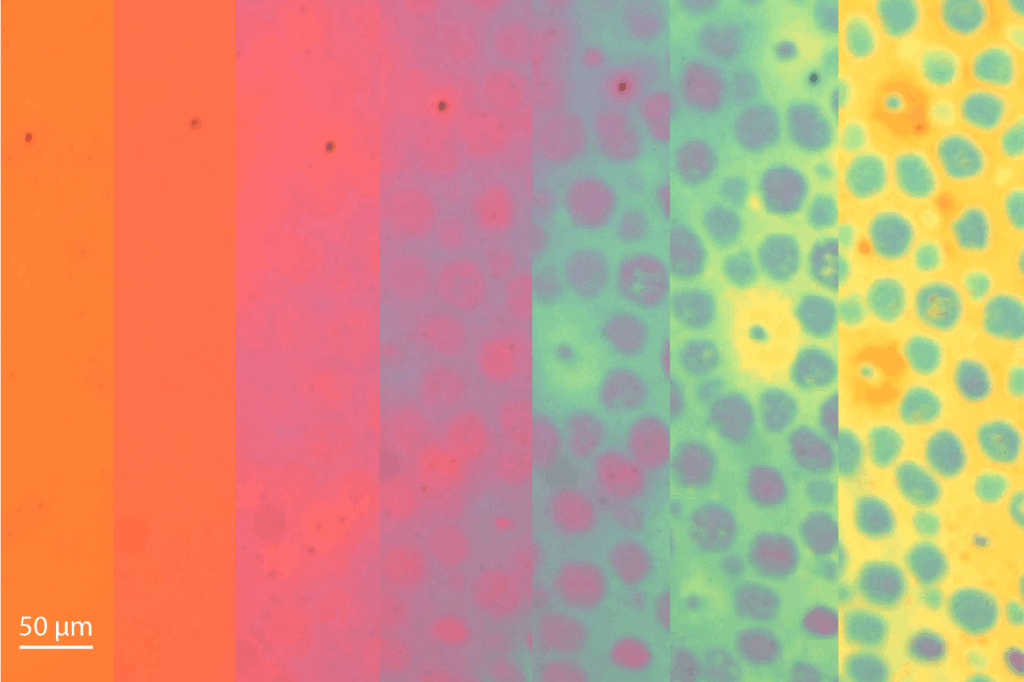
New nanoscale material that shifts color and texture may one day monitor performance signals
Get Engaged
We invite faculty, students, staff, alumni, friends, and external organizations to participate in the Wu Tsai Human Performance Alliance at Stanford.