
Agility Project Awardees
2026 AGILITY PROJECTS
PI: Vivian Feig | Mechanical Engineering
Heat buildup limits athletic performance and can contribute to illnesses and death. The body cools itself through sweat evaporation, but this process is often inefficient because sweat pools or drips away before it can evaporate. Existing solutions like fan-cooled garments or water-infused fabrics help but require bulky equipment or frequent refilling. Dr. Feig’s approach uses the body’s own sweat more effectively. By embedding hydrogel materials into textiles, we will capture, store, and redistribute sweat across the skin to improve evaporative cooling to enhance performance and safety.
PI: Catherine Blish | Medicine
Regular exercise is one of the best ways to stay healthy, yet its effects on the immune system remain poorly understood, especially in elite athletes. This study will study varsity runners from Stanford’s cross-country and track teams using single-cell RNA sequencing (scRNA-seq) to track how their immune systems change over the competitive season and during injury. By comparing these athletes to healthy non-athletes, Dr. Blish aims to identify immune biomarkers that signal optimal training levels.
PI: Anshul Kundaje | Genetics
People respond to exercise differently: some gain fitness quickly while others see little change from the same workout. Part of this difference comes from DNA variations that modulate gene activity in muscle, fat, and blood after exercise. But which differences actually matter?
This project will analyze large datasets to generate a public resource showing how exercise reshapes gene regulation and which genetic differences alter that response. Dr. Kundaje and their team will use artificial intelligence (AI) models to predict which genetic variants affect gene activity, in which cell types, and how the changes affect nearby genes. By training on large human and animal datasets, the team will map the circuits connecting DNA switches, transcription factors, and the genes they control, then link these to population genetics to pinpoint the most likely variants that influence exercise behavior and benefits.
PI: Kayvon Fatahalian | Computer Science
The goal of this project is to build a high performance digital athlete simulator that can generate full athletic activities (like running a 100m dash, running a route in football, and getting up from a fall) rather than just isolated movements like a single stride. The vision is to simulate the Olympic Decathlon events with the new digital athlete’s performance matching that of top Olympic competitors. Simulating complete activities opens up the ability to answer new questions about performance optimization and injury risk that were previously not possible.
PI: Malene Lindholm | Medicine
“Muscle memory,” the sense that getting back in shape is faster than starting from scratch, is widely experienced but poorly understood at the molecular level. In this project, Dr. Lindholm and her team will study muscle samples from 23 people who completed a unique year-long study: three months of training one leg only, nine months off, then training both legs. This design enables the comparison of a previously trained leg to a never-trained leg in the same person, controlling for genetics, diet, and sleep. Measurements of DNA markers, gene activity, and protein levels will be used to map the molecular changes associated with how muscles adapt to training, lose fitness, and respond to retraining. The team will then use artificial intelligence (AI) to identify molecular signatures that predict individual responses. The findings could inform athletic training, post-injury rehab, and strategies for maintaining muscle function during aging or inactivity.
PI: Feliks Kogan | Radiology
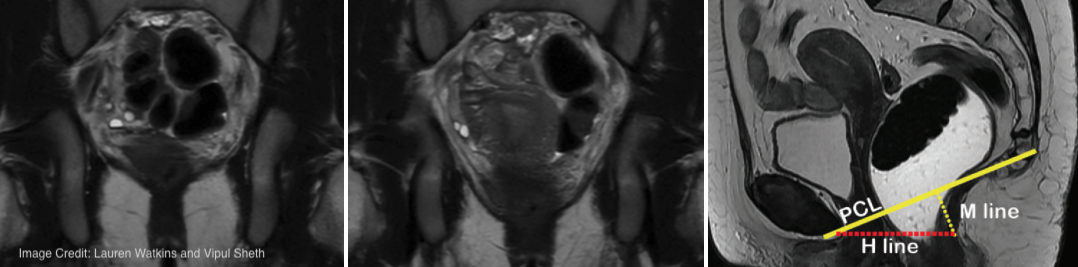
Physical activity is generally thought to improve postpartum health, but returning too soon or too intensely may increase the risk of pelvic floor disorders. Current guidelines recommend gradual progression in activity intensity and impact but lack specificity and may be too conservative for athletes. Proposed return-to-run protocols exist, but there’s little objective evidence on pelvic floor healing timelines to support them. This project will use MRI to measure pelvic floor recovery in runners from 6 weeks to 6 months postpartum, relating physiologic changes to symptoms and physical activity data from wearables and motion analysis. Comparisons with women who haven’t given birth will help establish recovery benchmarks. This preliminary data could inform evidence-based return-to-activity protocols for postpartum women and athletes.
2025 AGILITY PROJECTS
PI: H. Craig Heller | Biology
Fatigue is a psychophysiological condition that plays a crucial role in sports by limiting athletes’ performance. Virtual reality (VR) systems have demonstrated potential for enhancing physical and cognitive training. Professor Heller and team will employ a VR system during physical exercise to simulate contrasting environments compared to real (non-VR) conditions while measuring physiological markers of fatigue and performance. The team believe the proposed work will enable them to quantitatively compare physiological and psychological contributions to fatigue, possibly leading to the development of more efficient training approaches for improving athletes’ performance and methods for improving acceptance of and enjoyment of physical activity as components of health improvement programs.
PI: James Landay | Computer Science
Digital models of the human body can allow us to measure and predict how our biology changes during training, injury, and aging. However, there are limited tools available for measuring dynamic changes in our heart and blood vessels. This project aims to develop a method for creating personalized digital models of the heart and blood vessels. Using measurements of arteries and blood flow through them from a new ultrasound-based wearable sensor, Professor Landay and team will fit a personalized digital model that describes how blood flows through an individual’s circulation. This personalized model can be used to study how hearts and blood vessels respond to exercise across the lifespan.
PI: Jonathan Long | Pathology
This project aims to understand how the body makes a taurine-related compound called N-acetyltaurine, which might help improve physical and mental performance. Taurine is an important part of our diet and is often found in energy drinks and pre-workout supplements. After humans consume taurine, it can be changed into different substances, like N-acetyltaurine which helps control energy balance and fat metabolism linked to taurine consumption. Professor Long will use studies on human cells and in mice to figure out which genes and pathways are involved in making N-acetyltaurine. By understanding the biological pathway that makes N-acetyltaurine, researchers could augment that pathway and produce more N-acetyltaurine or understand N-acetyltaurine deficits.
PI: Justin L. Sonnenburg | Microbiology and Immunology
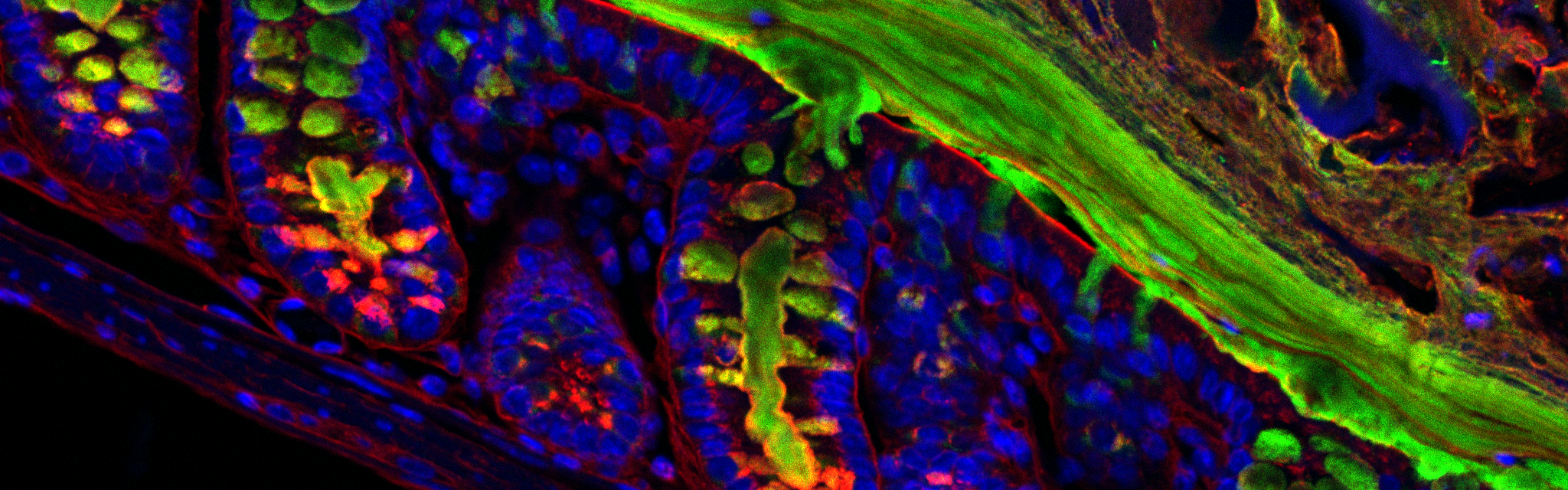
The complex community of microbes living in the digestive tract, known as the gut microbiota or microbiome, is influenced by many factors including exercise and diet. Microbiomes of athletes are distinct from average individuals and have been linked to enhanced physical performance. How athletic microbiomes evolve and the mechanism underlying microbial adaptation to exercise remain unknown. This project aims to define the links between the gut microbiome and exercise using mouse models, for example, exploring whether receiving an athletic microbiome can improve aerobic capacity. A deeper understanding of these connections will enable informed lifestyle changes and novel therapeutic avenues to improve athletic performance.
PI: Peter Tass | Neurosurgery
Little is known about the specific neural functions underlying the exceptional motor skill of expert musicians. Recent scientific discoveries have linked improved motor performance to reductions in excess neural synchrony – when large groups of neurons activate together across broad areas of the neural system. Dr. Tass and team hypothesize that in expert motor performance, selective neural activations and synchrony form the basis for precision of motor behavior, i.e., skill. Using vibrotactile coordinated reset stimulation, the team will investigate whether reductions in excess neural synchrony and functional connectivity serve both as a critical correlate for expert musicians’ skill, and as a promising pathway for interventions to further enhance this skill.
PI: Fan Yang | Orthopaedic Surgery and Bioengineering
Bone health is an area of concern as humans age, since healing is slower and less effective in the elderly compared to younger populations. This project aims to understand how aging affects bone healing and to explore new ways to improve bone regeneration in older adults. Using cutting-edge tools like single-cell RNA sequencing, aged animal models, and computational genomics, Professor Yang and team will work to identify key cell types involved in healing and test new therapies for enhancing the regeneration of aged bone.
2024 AGILITY PROJECTS
PI: Todd Coleman | Bioengineering
Managing fatigue is critical to ensure athletes are prepared for competition. However, research has highlighted the impracticality of exhaustive and time-consuming assessments to measure recovery and fatigue. In team sports, an effective instrument for fatigue monitoring should demonstrate sensitivity to training loads and their intensities while distinguishing acute exercise responses from long-term adaptations. Professor Coleman and his team will integrate these disparate modalities to arrive at a dynamic multi-modal description of recovery and fatigue in Stanford women’s basketball players. This research will help shed light on the dynamic process of how inflammation and recovery evolves to optimal recovery and peak performance at targeted times during the season in team sport.
PI: Alia Crum | Psychology
Stress and growth mindsets play pivotal roles in achieving optimal performance and well-being. The project proposes the “Mindset Yoga” intervention, a unique blend of mindset education fortified by the self-awareness and regulation techniques fostered in yoga. We will rigorously assess the effectiveness of this combined approach against standalone Yoga and Mindset interventions. If proven effective, this methodology could be adapted for diverse groups, including athletes, the elderly, and individuals with various health conditions, aiming to bolster health, well-being, and performance during critical high-stress periods.
PI: Sarah Heilshorn | Materials Science and Engineering
Brain injury is common among participants in many sports and is associated with cognitive decline that limits human performance. Disruption of the blood-brain barrier (BBB) is believed to play a critical role in this process, but many details remain unknown, and almost nothing is known about traumatic brain injury (TBI) during physical exertion. The proposed work introduces new imaging technologies to define the structural, biochemical, and cellular hallmarks of persistent BBB leakiness from repeated mild TBI during exercise. Furthermore, Professor Heilshorn and her team will test a novel therapy that they hypothesize will recruit pericytes to seal the damaged vessels and promote cognitive function.
PI: H. Craig Heller | Biology
The beginning of a heavy exercise program usually results in severe muscle soreness two or more days following the exercise. This condition, known as Delayed Onset Muscle Soreness (DOMS), results in the inability to engage in such exercise for 5 to 7 days. There is no clear explanation for DOMS that could lead to measures to prevent this sequalae of events. In past work, Professor Heller and his team have shown palmar cooling extracts heat from the body during exercise and greatly increases work volume and rate of physical conditioning without causing DOMS. The team will test whether intermittent palmar cooling during heavy exercise results in large physical conditioning gains without DOMS.
PI: Monroe D. Kennedy III | Mechanical Engineering
Lower-limb exoskeletons have advanced in their ability to improve human performance through assisting, rehabilitating, and augmenting wearers. A key challenge that remains is detecting a user’s intent to adapt to new scenarios, such as walking on flat ground versus steps or ramps. This causes a delay in the exoskeleton response which can lead to user strain and instability in the worst cases. To address this, this project proposes to use the state-of-the-art adaptive ankle exoskeleton coupled with environment-based path predictions to predict the wearer’s expected path and upcoming changes in terrain. Such a system could enable smoother transitions between terrain types, resulting in improvement in overall assisted walking performance.
PI: Marily Oppezzo | Medicine
This project proposes a novel, widely accessible intervention to promote strength training and improve cognitive, psychological, and behavioral performance at work. The intervention, referred to as “strength snacks,” interrupts prolonged sitting with 3-4 short, progressive strength-training bouts with no equipment and simple video-based instructions. The study will assess human performance outcomes across multiple domains: physical, biological, cognitive, psychological, and behavioral.
PI: Elizabeth Schumann | Music
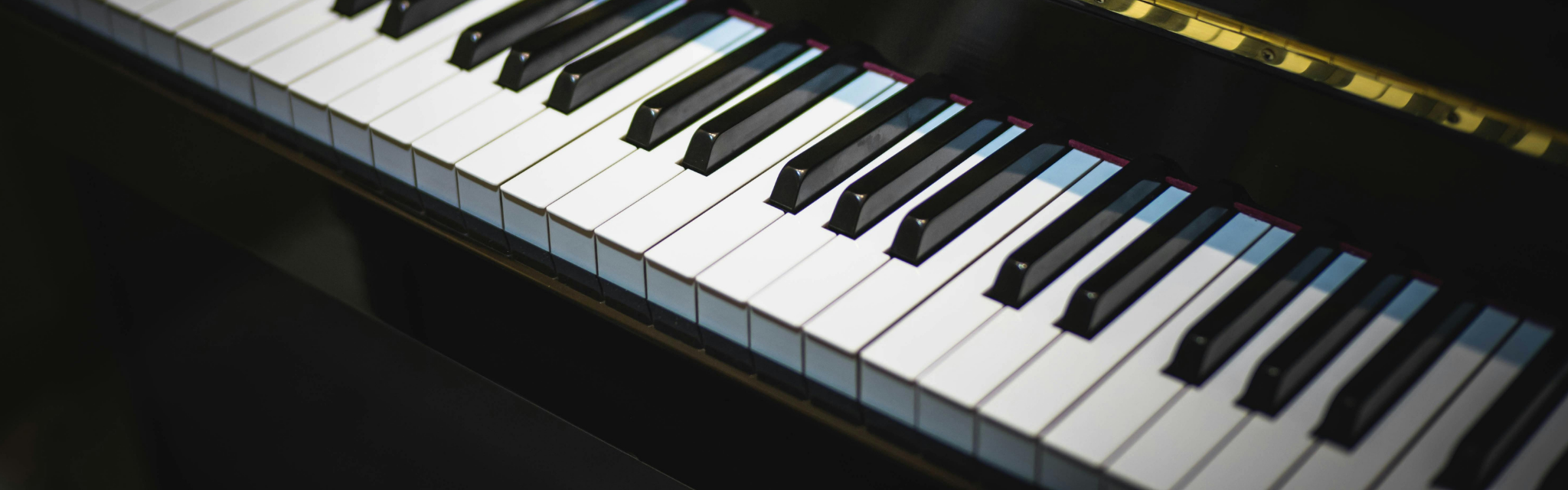
The current design of the piano keyboard, largely unchanged since the late 19th century, disproportionately puts women at higher injury risk and limits their professional opportunities due to ergonomic imbalance. This research project explores the relationship between hand size, keyboard size, and performance quality using a generative artificial intelligence (AI) model to produce precise predictions of the motions and forces required to reproduce a piano performance. These new insights can inform instrument design and teaching methods, thereby leveling the playing field for women in piano performance. This research has the potential to be a catalyst for change, not just in music, but in any field where ergonomic design influences peak human performance.
PI: Phillip C. Yang | Medicine
It is well documented that we lose 10% muscle mass each year starting in our forties, a condition called sarcopenia. This muscle loss is linked to a spontaneous mutation in our mitochondrial DNA. This project will use extracellular vesicles to deliver healthy mitochondria and their DNA to the weakened muscles and related organs in hopes of rejuvenating them and eventually translating the findings to a phase I clinical trial.
2023 AGILITY PROJECTS
PI: Zhenan Bao | Chemical Engineering
Human performance is strongly impacted by physical and mental wellness. Current mental health testing primarily relies on self-reporting late-stage symptoms. The team’s long-term goal is to develop a precision mental health tool to quantitatively track related biomarkers like cortisol and serotonin, for stress and mood, respectively. They hypothesize that a continuous measurement skin-patch that samples the dermal interstitial fluid (ISF) can provide continuous and more accurate measurements, as compared to sweat and saliva-based methods. The team will adapt and validate its flexible cortisol and serotonin sensors for dermal ISF measurements. This work will enable a way to quantitatively monitor stress and understand its correlation with athlete performances.
PI: Helen Blau | Microbiology and Immunology
The age-associated loss of muscle mass and function is known as sarcopenia, a debilitating disease for older persons. Dr. Blau and her lab recently discovered that the levels of a cellular component, prostaglandin E2 (PGE2), correlate with muscle regeneration and greater endurance in aged mice. By contrast, reducing PGE2 levels in young mice prematurely ages their muscles. PGE2 levels are controlled by an enzyme called 15-PGDH, which can be manipulated by a small molecule drug. This project’s goal is to survey older adults with and without sarcopenia and determine whether their personal levels of 15-PGDH and PGE2 correlate with strength, as in mice. This is a necessary first step toward translating our mouse sarcopenia therapeutic to humans.
PI: David B. Camarillo | Bioengineering
Head impacts are known to affect the brain, with both short- and long-term consequences. Even a single impact can have important long-term consequences, leading to chronic neuro-degeneration or earlier onset of dementia. Unfortunately, the process of brain injury and local or global degeneration resulting from the impact is not well understood. The objectives of this study are to develop a large animal model of traumatic brain injury (TBI) replicating human TBI pathology and to link neuroimaging and biomechanics with histopathology, to inform a model in humans based on impact exposures and/or neuroimaging.
PI: Constance Chu | Orthopaedic Surgery
Anterior cruciate ligament (ACL) tear is a common sports knee injury frequently affecting young adults, leading to premature development of pain and stiffness from osteoarthritis. Using patient samples, advanced MRI scans, and clinical outcomes from ACL injured patients, the research team will determine whether inflammatory cells and proteins associated with osteoarthritis reduce performance recovery after ACL reconstruction. This research hopes to contribute new therapeutic targets to improve athletic longevity, joint health, and human performance.
PI: Todd P. Coleman | Bioengineering
30-90% of endurance athletes report GI symptoms during training or competition. Further, optimal timing of dietary intake to absorb nutrients or counter hydration loss in endurance sports depends on the rate of gastric emptying. For female endurance athletes, the menstrual cycle affects gastric emptying as well; it is slower during the follicular phase as compared to the luteal phase. The aim of this project is to build a soft, stretchable wearable system that provides personalized information about gastric emptying rate. Such a system could enable dietary intake optimization for female endurance athletes during all phases of their menstrual cycle for training and competition.
PI: Steven H. Collins | Mechanical Engineering
Running is the most popular form of aerobic exercise in the United States, but knee joint pain sidelines many runners. Exoskeletons could assist the knee, offloading muscles and reducing the joint loads that cause pain. This project aims to develop a running knee exoskeleton, methods for estimating running knee loads, and algorithms to optimize exoskeleton assistance to minimize knee joint loads by 40 to 60%, potentially eliminating pain associated with running. These results will yield new insights into the interactions between robotic assistance, muscle activity, joint loads, and pain during running–exciting new dimensions in human performance enhancement.
PI: Joseph M. Desimone | Chemical Engineering
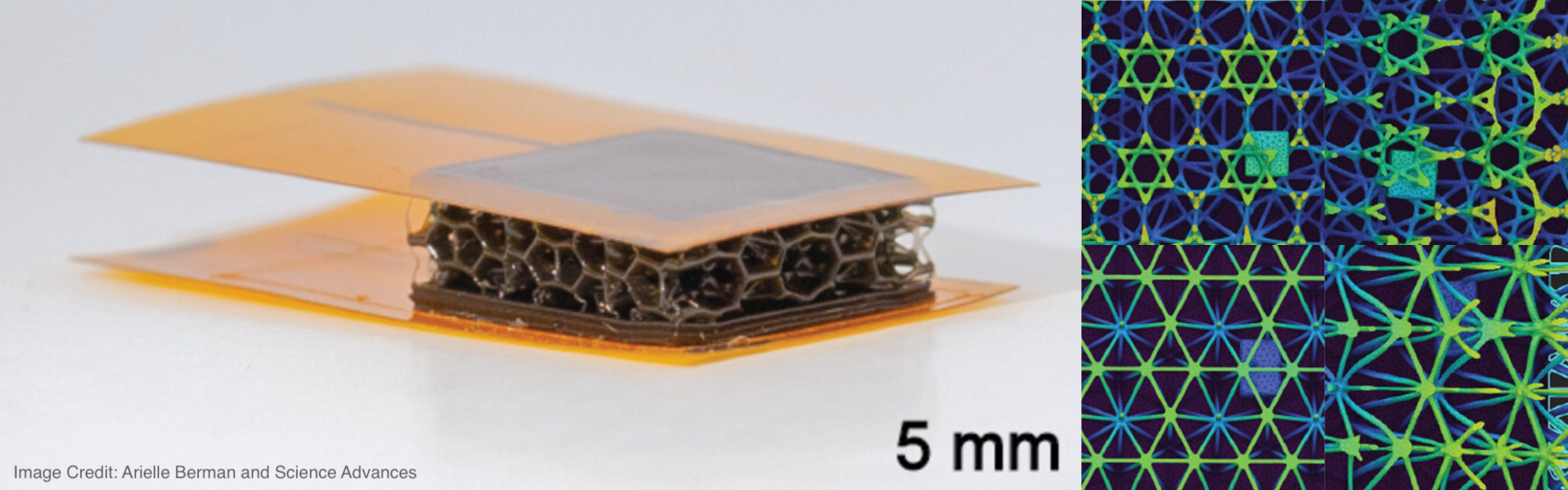
The team’s long-term goal is to embed miniature lattice pressure sensor arrays in biomedical devices to enable a multitude of continuous human health monitoring systems, such as non-invasive heart rate and pulse monitoring, activity monitoring, impact, and gait sensing. The first step toward achieving this objective is to understand the fundamentals of each lattice structure and its effect on pressure sensor performance. This research project seeks to design and fabricate latticed dielectric layers for a new generation of pressure sensor arrays, and to characterize their stress-strain responses, with fabrication enabled by a high-resolution 3D printer designed and built recently here at Stanford.
PI: Xiaojing Gao | Chemical Engineering
It is common for athletes to suffer from skeletal muscle injury, the recovery from which is essential for the athletes’ quality of life and return to peak performance. Mesenchymal stem cell (MSC) transplantation is a promising therapy for such recovery, yet its efficacy is hindered by the poor survival rates of the transplanted cells and our limited capabilities to control the local immune response. This project will utilize a novel molecular design that can target the implanted cells or the niche inhabited by them. Their proposed strategy may lead to effective and consistent improvements for clinical translation, and therefore have an impact for the performance of athletes.
PI: KC Huang | Bioengineering
The close relationship between humans and the commensal microbes of their gut microbiota represents vast potential for health maintenance, but most efforts have been focused on disease. Lifestyle choices, such as diet, play key roles in health, and recent studies focused on feces have suggested that exercise can enrich the microbiome. This project will utilize a novel, non-invasive sampling technology to quantify the effects of exercise on the gastrointestinal environment and the potential to ameliorate negative impacts of exercise on the gut using fermented foods and high-throughput immune profiling. These efforts could establish the potential for dietary and thermal interventions to improve recovery from exercise.
PI: Jonathan Long | Pathology
Nutritional supplements, like ketone esters, are important for optimizing sports performance. Drinking ketone ester sports drinks has been shown to improve endurance and athletic performance. But exactly how these drinks lead to better sports performance has remained mysterious. BHB-amino acids could provide a key molecular clue to understand why ketone ester drinks improve athletic performance and metabolic health. This project will use a combination of chemistry, mouse models, and human studies to determine how BHB-amino acids are made. The research team will also determine how BHB-amino acids alter glucose metabolism and identify the network of proteins with which BHB-amino acids interact.
PI: Russell Poldrack | Psychology
Learning new motor skills is crucial to human performance. However, traditional neuroimaging studies of human motor skill learning typically do not take into account individual variability in the functional architecture of the brain, nor do they densely collect data during the intermediate stages of learning. This project aims to overcome these limitations by creating complete and precise brain maps of motor skill learning through the use of precision neuroimaging approaches. The resulting brain maps will have the potential to spark new translational applications of human motor skill learning research to human performance, such as in movement rehabilitation, sports training, and the use of prosthetics.
Get Engaged
We invite faculty, students, staff, alumni, friends, and external organizations to participate in the Wu Tsai Human Performance Alliance at Stanford.